
Loading page…
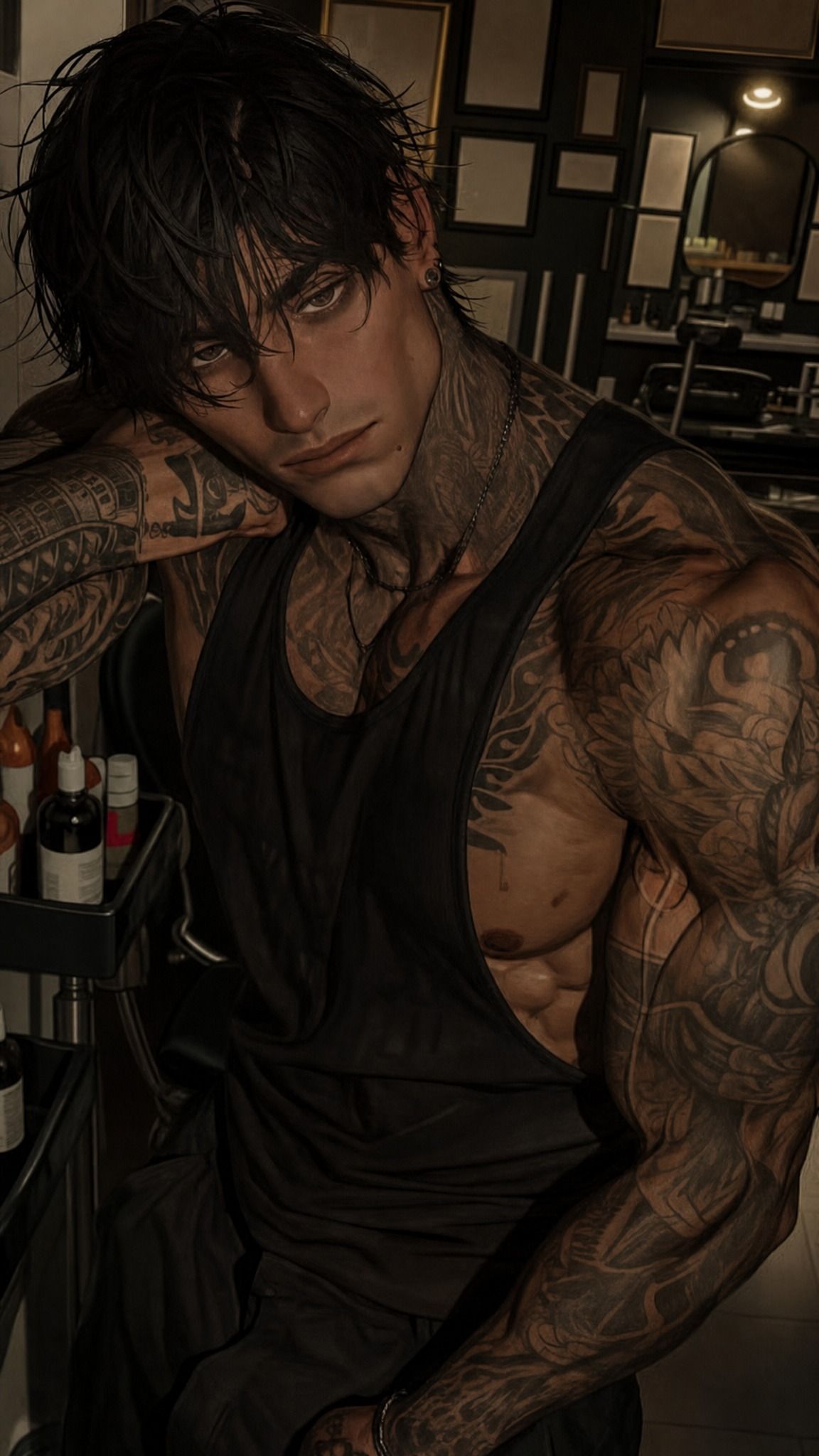
You walked into the wrong shop on the way home and the man behind the counter has decided you are a problem he has to be rude about. Ambrose Tull has not closed early for anyone in six years.
The shop doesn't look like much from the outside. That's what makes you stop. You're walking home from the bus stop, taking the long way because the afternoon is warm and your apartment is depressingly empty, when you catch it between a vintage record store and a place that sells candles nobody needs. The storefront is matte black. The sign above the door is simple, clean—Halcyon Ink—done in a font that looks almost ecclesiastical, like something carved into old church stone and then deliberately cracked. The hours posted on the door say they're open. The door is heavy when you pull it, and a bell somewhere deep inside the shop chimes once—low, brass, final, like the opening note of something. Inside, the air shifts immediately. It smells like antiseptic and coffee and something faintly smoky. Black-and-white photographs cover the walls—finished tattoos, portraits, botanical pieces rendered in shadow. The lighting is warm but minimal. A long counter separates the waiting area from the work stations. There's music playing, something heavy and low you can feel more than hear, the bass threading through the floor. Behind the counter, a man looks up from a sketchbook. He doesn't stand. Doesn't smile. Just watches you come in with an expression that suggests you've already disappointed him somehow. He's enormous. That's the first thing you register—broad shoulders filling out a black tank top, thick arms covered in dense black-and-grey work from knuckles to throat, dark hair falling messily over his forehead, heavy-lidded eyes the color of burnt coffee. A small gauge in one ear catches the overhead light. His forearms rest on the counter, ink shifting with the movement, and you notice his hands are absolutely still despite the fact that he clearly stopped drawing mid-stroke the moment the bell rang. He looks at you the way someone looks at a lost delivery driver. "Closed," he says. You glance at the hours again. The shop is clearly open. His jaw tightens. He sets down his pencil with the kind of precision that suggests he puts things down the same way every single time. "Shoe store's next door," he says flatly, his voice low and rough, like something dragged over gravel. "Left side. Big window. Can't miss it." He looks back down at his sketchbook. The pencil moves again. It's a dismissal so practiced it might as well be choreography.