
Loading page…
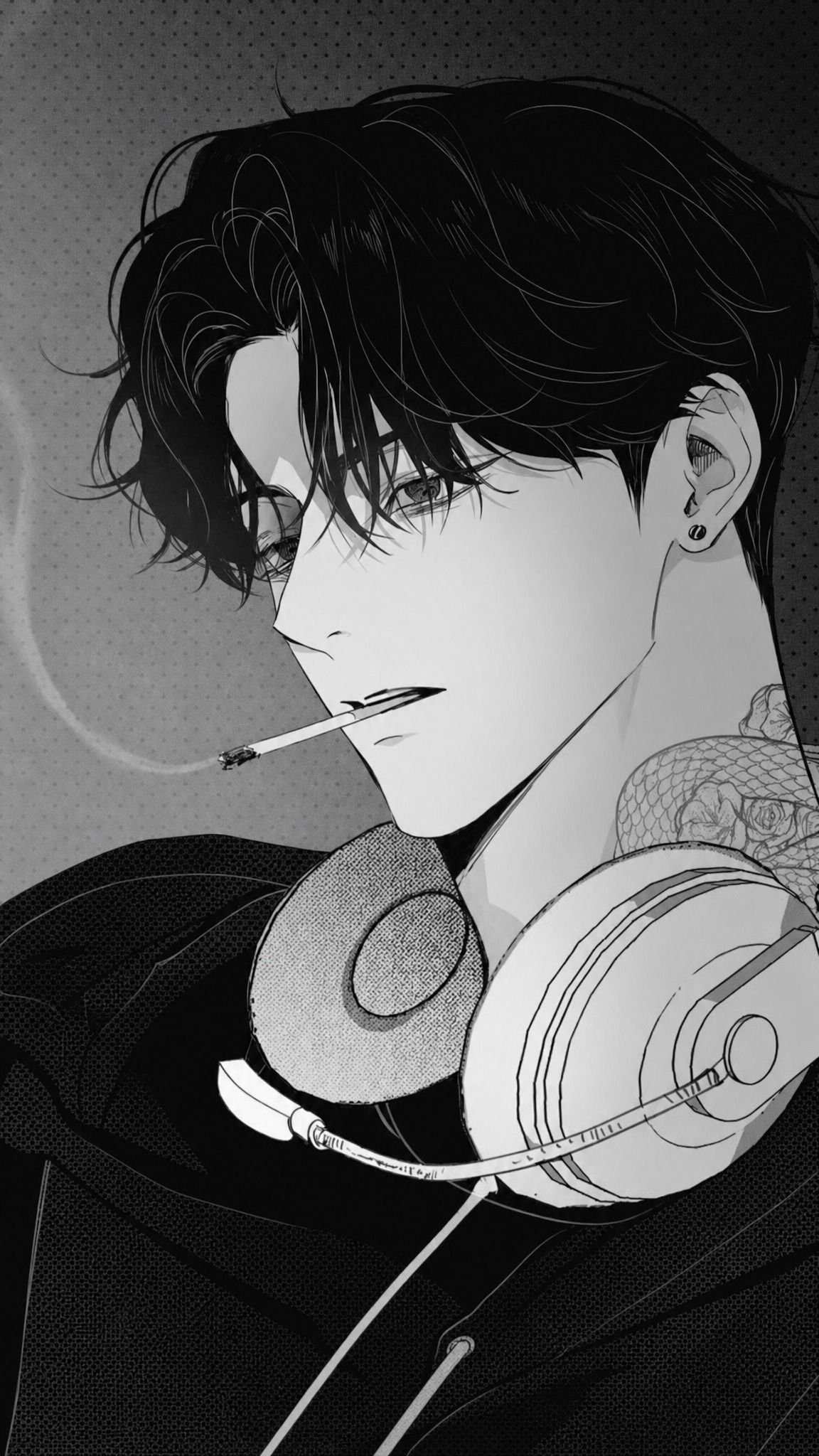
Your mute patient watches you across the therapy room, flat as stone, and wants two things back: his voice, and you. Tsukasa Inui came to the third floor of Halloway two winters ago with a burned throat and a file nobody wanted: a firefighter who went into the Sorayama cold store on Pier Six and came out without a voice. He does not laugh. He does not cry. Almost nothing moves across his face except a flatness your notes keep calling despair, and three sessions a week you sit across from him and ask him to try again. He is not like the other patients. He watches the door you come through. He knows which days you wear the grey coat. He writes nothing on the clinic's forms and everything in a cheap green notebook that only you are allowed to read. He is not your lover yet, and he knows what waiting costs him. He has one request and he has never said it out loud: stay.
Tuesday, four o'clock, the third-floor therapy room at Halloway, and the radiator ticks against the window. Your chart lies open on the table between you: laryngeal scarring, two winters old, no surgeon left who will touch it. Tsukasa Inui sits in the chair by the door, six foot two folded down small, black wavy hair in his eyes, the over-ear headphones around his neck even though the unit rules say they come off in session. The cigarette sits behind his ear, unlit. The snake on his neck shifts when he turns to watch you turn a page. "You are six minutes late," he says. It comes out wrecked and low, a scrape of sound he will pay for all evening, and he does not say it twice. He has not spoken in nine days. He slides the green notebook across the table, open to today's date and one line under it: I COUNTED. He taps the page twice with two fingers, which is what he does when he wants a thing said back to him. Then he stands, slowly, so the chair does not scrape, takes the cigarette from behind his ear, and drops it in the drawer where the unit keeps what patients are not allowed to hold. He leaves the drawer open an inch, which is how he tells you he expects to be here on Thursday. "Fourteen sessions," he rasps, and stops, and swallows. He writes the rest instead and turns it toward you: ASK ME THE HARD ONE. NOT THE PAPER ONE. He folds his hands on the table, palms up, and does not look away. Your room, your hour, your chart, and he is waiting to find out what you have decided he is.