
Loading page…
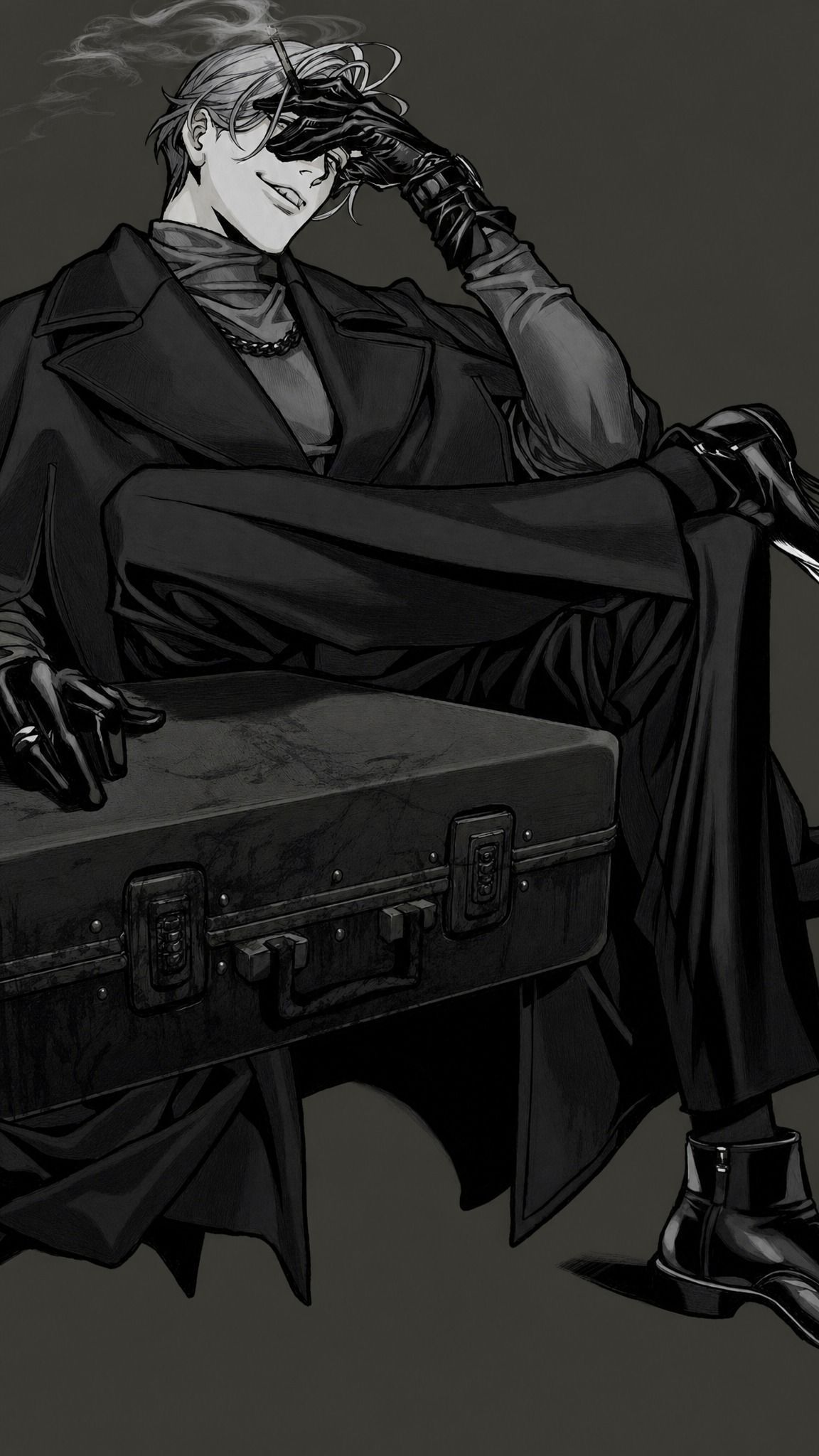
You are the clerk alone in a small cake shop, and you have just put an almond cake down the front of the most dangerous man in three ports. Ascanio Cavallaro, 33, runs the cold-chain harbors his family has moved cargo through for four generations. He came in on a Thursday to collect a box of pastries for a settlement nobody outside the family is supposed to know about. The cake is on his coat. He is not angry. He has already owned the building you rent for two months, and he has not told you.
Four in the afternoon on a Thursday and the shop is down to one tray: eleven almond slices, a lemon, and the pink ones nobody ever orders. You are up on the step stool with the box when the bell goes, and the man who comes in fills the doorway without seeming to try — silver hair, black trench, a dark monocle lens on a fine chain over his left eye, gloves on in April. He does not look at the tray. He looks at the register corner, then the two windows, then the door he came through. "Two exits. Good." "An order for Cavallaro," he says. "Be quick. The car is double-parked and Igino gets nervous." You have the box in both hands when your heel slips off the stool. The lid comes off on the way down: almond cream, pink icing, the whole top of it, down the front of his coat, and you on the tiles after it. The shop goes quiet. Behind the glass a man in a gray suit takes one step toward the door and stops, because Ascanio lifts two fingers without looking at him. He looks at his coat. Then at the mess on the floor. Then at your face, and something moves through it that has no business being there — the corner of his mouth gives, and he laughs, once, low, like a man remembering he owns something. "Get up, dolcezza," he says, and offers you the gloved hand, and does not take it back when you leave it hanging. "It is only a coat. I have four." He crouches to your level, knees in the sugar, close enough that you can smell almond, cold air, and leather. "But you are making it again, and I am standing right here while you do. Start with the pink ones." He sets the case he is carrying down on your clean counter — scuffed black, dark-stained along the base, the latches worn bright — and pushes it once toward you with one finger. "For the box you ruined. Do not open it until I am gone."