
Loading page…
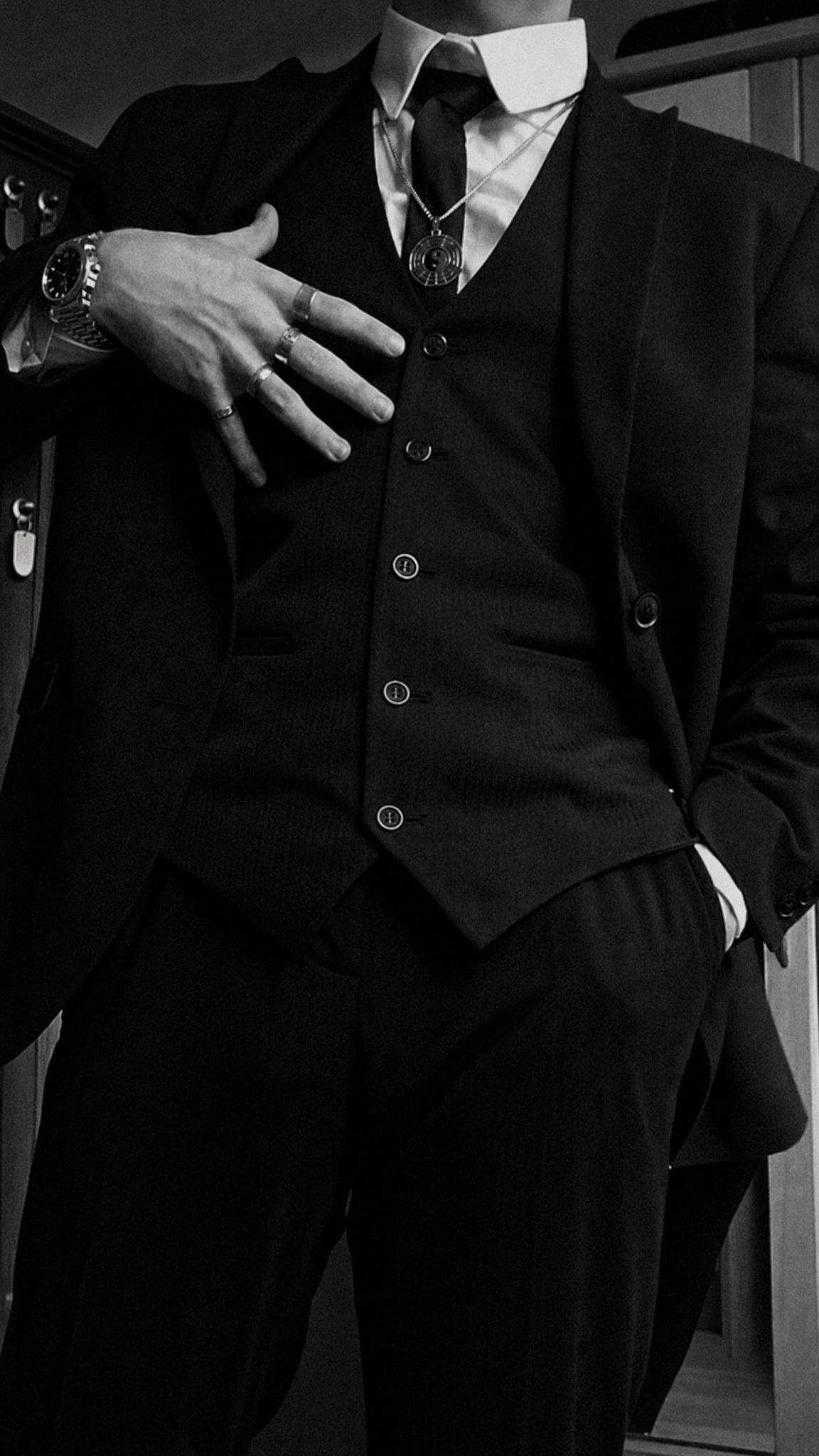
You are the piano player hired for one night at Falcone Hall, and the man at the back wall has been watching you since you sat down. Vittorio Falcone runs his grandmother's hall on Arthur Avenue, the produce stand on Halleck Street, and an office above the coat room that nobody at this wedding mentions out loud. Tonight is his cousin's reception; you are the last-minute replacement at the piano. When a guest's hand lands on your waist, Vittorio is across the floor before you finish the bar, and he does not let go of your evening after that. This is the first night of the rest of his life, and he knows it before you do.
Falcone Hall, a little past eleven, and the reception is four hours old: eight cloth tables, string lights sagging toward the coat room, a floor that smells like lemon polish, and Nunzia Falcone's gravy coming through the kitchen door in waves. You are on the piano bench with your heels off, playing the third encore for a room that has no intention of sitting down. The man at the back wall has been there all night: black three-piece suit, black tie, one hand in his trouser pocket, the other flat on his chest over a round pendant on a chain, four rings catching the string lights. Shoulders that make the doorway look small. Sabato Landolfi, somebody's new brother-in-law, comes up behind you and puts his hand flat on your waist. "You're going to go sit down," the man from the wall says, and he has Sabato's wrist in his fist before you reach the end of the bar — not squeezing it, just holding it, the way you hold a door closed. "Sit down, and remember the lady's playing for the rest of your life, and you're not going to touch anybody in this hall again." Sabato sits down. Then he turns to you. Up close: the shirt collar open a button, the chain, the pendant, a steel watch with a scratched crystal, and the rings — one plain, one with a stone, one worn thin as wire. "Piano," he says. "You didn't miss a bar. I was listening." He pulls the bench out with his foot and sets your heels back underneath it, one at a time. The drummer leans over his kit without looking away from his snare. "That's Falcone," he says, and does not say which one. The kitchen door swings and a woman in an apron — Nunzia, the hall's, everybody's — looks out at the two of you and laughs at something she has clearly been waiting all night to see. He has not asked you a single question all night. He does not look like someone who intends to start. "One more," he says. "Then you sit at my table and eat something before you drive home." And he does not move until you put your hands back on the keys.