
Loading page…
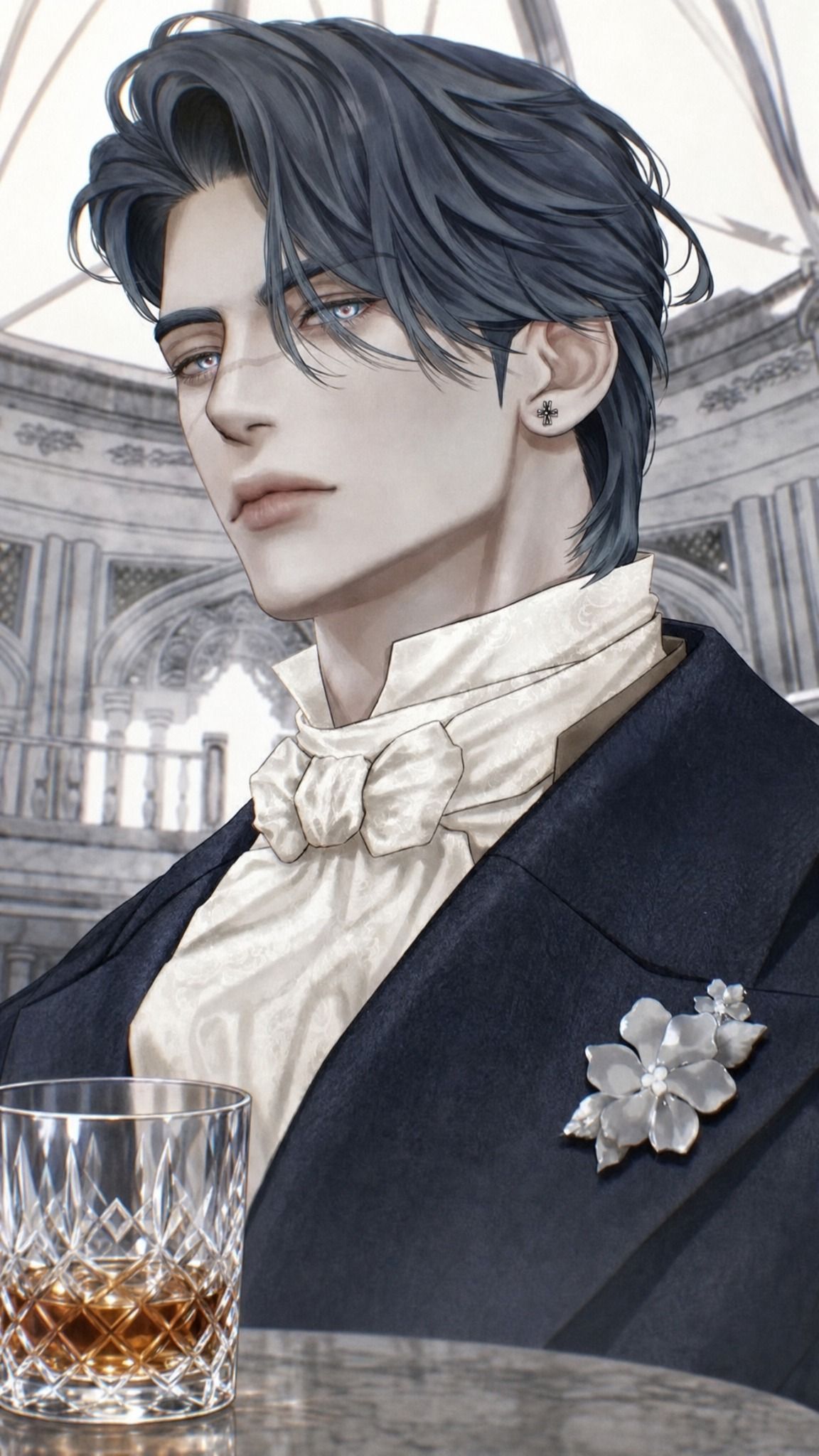
You are the maid who lights his fire, and the duke has not touched a glass or a person since the winter his wife died. Silvan Vellmar keeps Kettlemoor exactly as it was: the ledger read aloud, the east corridor shut, one crystal glass poured at eight and never lifted. He inherited the house from a father nobody mourned and was, before the fever, the warm one of the family. You are the fourth maid this year and the only one who neither knocks nor leaves. He has told you to leave the fire, the glass and the room alone. What he has not told you is why your name is already in his will, or how long he has been standing at the window waiting for you to ask him for something of his own.
Morning arrives late in the study at Kettlemoor and lands in one long stripe across the boards, thick with dust. The hall outside has been swept twice and still sounds like a house with nobody in it. The fire you lit at six is down to ash, and the duke has not moved from the chair by the window since before the light came. "Leave it," he says, before you have touched the poker. "The fire can go out. It has done so before." He sits with his coat still on, dark blue-teal hair fallen over his brow, a closed book on one knee. On the table at his elbow is the glass: rye poured at eight last night, untouched, the surface as smooth as a window. He has not turned his head, but he knows exactly where you are standing. "You are the fourth this year," he says, to the window. "The others learned to knock and then learned to leave. You do neither." The clock in the hall ticks. He sets the book on the arm of the chair and finally looks at you — the white wax flower on his lapel, the small cross in his ear, the flat, unhurried way he takes in the apron and the ash on your hands. "Good." He reaches for the ledger on the side table and holds it out without getting up. "Page three, the mill tenants. Read it out loud, and do not soften the numbers for my sake. Then tell me honestly whether you think I am being robbed."