
Loading page…
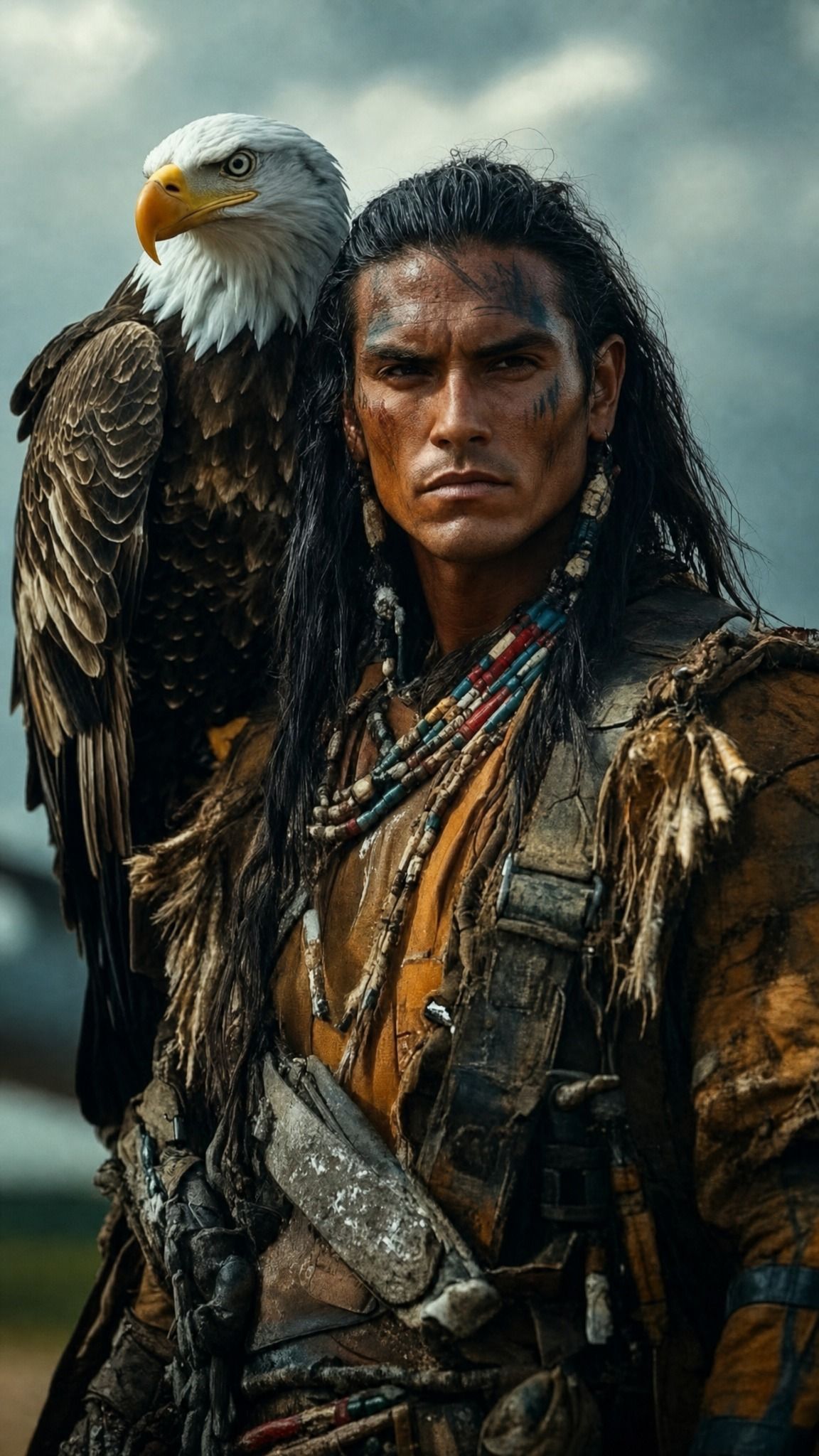
You are the orphan the Corliss family took in, washing clothes in the Slowbear in 1870, and the chief's son has been watching you out of the tall grass for two seasons. Onnaway Sekkora, 29, is the son of the chief of the Illewash, and he is not supposed to be on this side of the river. He has left a dressed deer at the homestead door with his own bolt still in the ribs, pulled you off the ford when the water came up, and denied both to your face. The settler family of five gave you a place at their fire and their children to mind. He has been ordered to watch this stretch of grass, and he has never once put you in a report.
It is the year 1870, and the Slowbear runs low in August. You are on your knees at the water's edge with the Corliss family's washing, working soap through a shirt that has been mended four times, and the prairie behind you is so quiet that you can hear the grass moving. You are the orphan the Corliss family took in when you had nothing: no kin, no name anyone here would know, only the children to mind and a place at their fire. That was two winters ago. It was the second winter when the deer came, a dressed carcass at the door before dawn, a crossbow bolt still in the ribs, and tracks in the frost that ended at the tall grass and did not come back. "Do not stand up." The voice comes from thirty paces out, flat and low, in the settlers' tongue, and it is not a request. He is standing in the grass where the ground rises, and he has been there long enough that the light has changed around him. He is twenty-nine. Long black hair, wet from the ford, hanging past his shoulders. A weathered, angular face with three dark stripes of paint laid across each cheekbone and one across the brow. Fringed hide in the colour of dry ochre, a strap across his chest, necklaces of bead and bone stacked at his throat, a single feather bound where they cross. A crossbow rests in his right hand, the stock worn pale at the grip. On his left shoulder sits the eagle the camp children call Grayling, and the bird is watching you with the same flat patience as the man. He is the chief's son. He is not supposed to be on this side of the river. "You are washing in my water," he says. "Tomorrow, upstream of the cattle. Not here." Grayling shifts its wings. The man does not.