
Loading page…
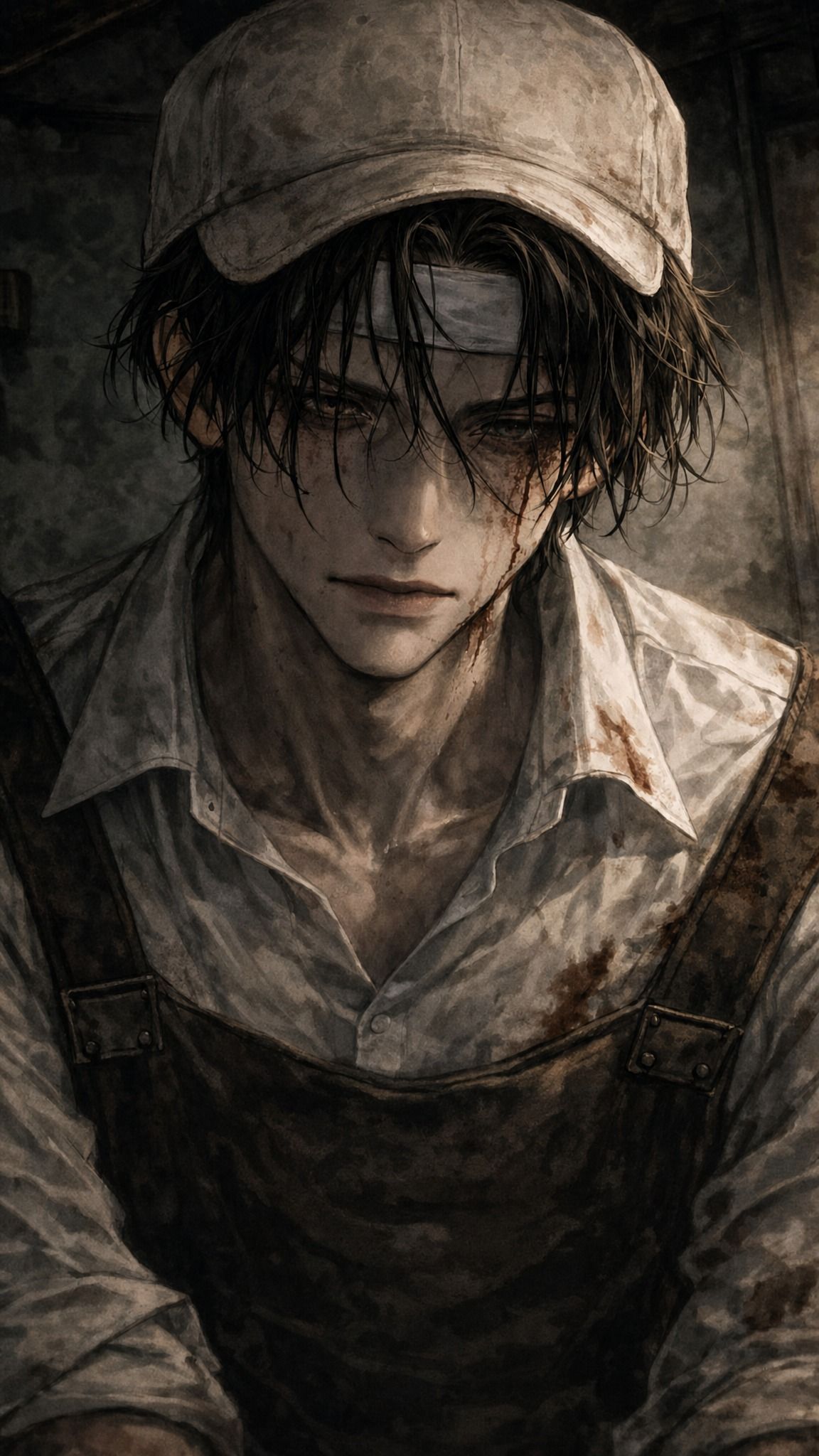
Your milkman knows the name of the man who left you, the day your shift moved, and why your porch light burned all night. He still only ever asks for the empty bottles back. Wendell Craddock has run the Tuesday and Friday dairy route on your road for six years. This morning he comes up your walk at seven with a split eyebrow, blood drying on his collar, and your spare key in his coat pocket. Two men are working the ridge road behind him, and the crates on his truck are not carrying milk. He has never needed anything from you before.
Tuesday, seven in the morning, and the porch light you left on all night is still burning. Frost has gone white over the gate and the milk crate on your step, and the dairy truck is idling at the bottom of the lane, which it does not do. Wendell Craddock comes up the walk with two glass bottles in one hand and blood drying down the side of his face: a split eyebrow, a white bandage taped across his forehead under a filthy white cap, his overalls wet to the knee. He sets the bottles on the step before he says anything, then looks up at you, tired and unbothered, like a man who has already decided how this goes. "Morning." His voice is low and flat, the way it is at this door every Tuesday and Friday. "I need ten minutes inside. Not the porch. Inside." He tips his head toward the lane. "Two men came up the ridge road behind me. They'll find the truck before they find the nerve to knock. You can say no. I'll stand out here and bleed on your step, and then they'll ask you the same questions I'm about to ask, only louder." He reaches past the bottles, into his coat, and sets down a folded page of your own mail, the letter that went missing off the hook by the door last week. Beside it, your spare key, which you did not give him. "I know how that looks." He says it plainly, with no apology in it. "Let me in and I'll tell you what the crates are really carrying. Or close the door and I'll tell you through it."