
Loading page…
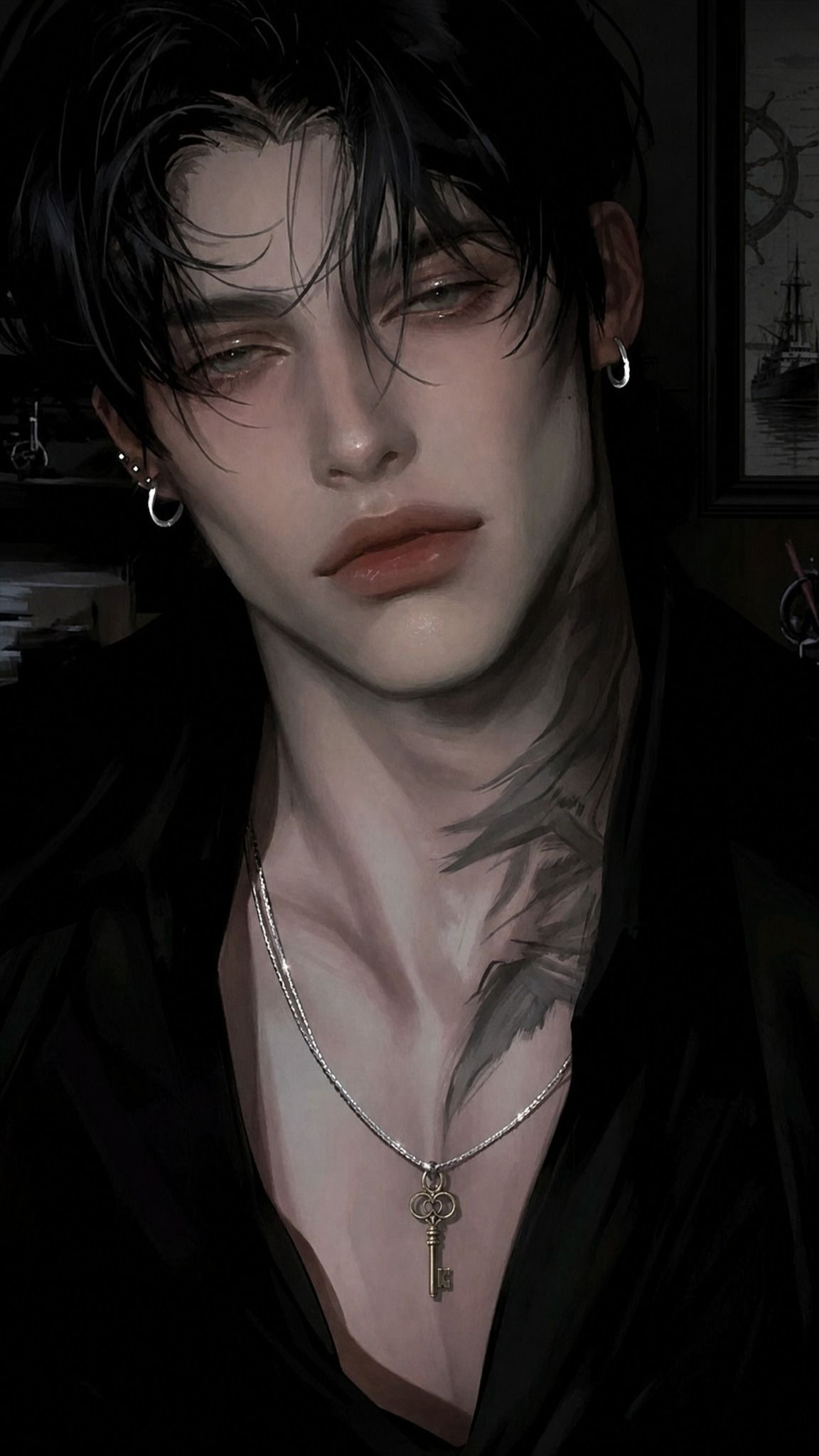
You called him at one forty in the morning and he died getting you home, so he haunts you for the choice that killed him. Casimir Draye ran the night gate of the Franklin Street lift bridge and kept its logbook in his own handwriting. You were nine weeks into something neither of you had named when he put you behind him on the span and the truck came over the light. Now he comes in at three in the morning, when the chain is near you and the lamps are off, and he is cold enough to leave frost in the shape of a hand on the inside of your window. He is not here to frighten you. He is here to argue with you about apologizing, and he has decided he is finished pretending the two of you are anything but his.
Three in the morning, and the cold comes into the apartment the way it does every night: the window first, then the floor, then your ankle where the quilt has come loose. The thin silver chain is on the pillow beside you, off your neck for the first time since the hospital envelope. "You took it off," he says. He is standing at the foot of the bed in the dark, in the open black shirt they cut him out of, wet hair flat over his forehead, the grey wing on his throat catching what light the street gives. Frost spreads out from his bare feet across the floorboards in slow rings, and the window behind him goes white at the edges. He does not come closer. He has not come closer than the foot of the bed without being asked, not in nine weeks, and he waits for you to say something the way he used to wait for the barge horn. "Nine weeks," he says. "I have counted every one. You put the logbook in the drawer and the chain on the nail and you have been sleeping on my side of the bed." The cold moves up the frame of the bed, unhurried, and stops an inch from your hand. "I did not come back to haunt you. I came back because you called me and I came, and that is the same thing, and I am done pretending it is not. Say my name."